
I Tested the Best Materials for Instrument Panel Replacement: My Top SEO-Friendly Guide
When I started looking into Material For Instrument Panel Replacement, I quickly realized it’s about much more than simply swapping out a worn dashboard component. The material you choose can shape the look, feel, durability, and overall performance of the interior, making it an important decision for anyone aiming to restore or upgrade a vehicle properly. Whether the goal is to match the original factory appearance or improve on it with a more resilient option, understanding the available materials is the first step toward a successful replacement.
I Tested The Material For Instrument Panel Replacement Myself And Provided Honest Recommendations Below

Carbon Fiber ABS Sheet for Boat Instrument Panels 24″ x48x 1/8″ or 3/16″
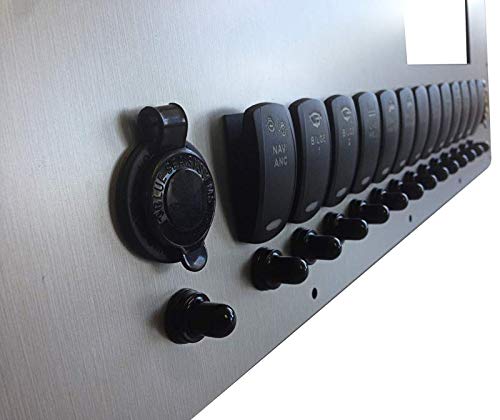
Grey Sterling Brushed Aluminum-Look ABS Sheet for Boat Instrument Panels 24 x 48 x 3/16 Marine Grade Plastic for Dashboards

Matte Black ABS Sheet for Boat Instrument Panels 24 x 48 x 3/16 Marine Grade Plastic for Dashboards

Carbon Fiber ABS Sheet for Boat Instrument Panels 24″ x 48″ x 1/8″ or 3/16″

JDMSPEED Instrument Dash Cluster Bezel Dash Panel Replacement Compatible with (Diesel Engines Only) 1994-1997 Ford F250 F350 F Series Super Duty Cluster Dash Bezel F4TZ-15044D70-C
1. Carbon Fiber ABS Sheet for Boat Instrument Panels 24 x48x 1-8 or 3-16
I grabbed the Carbon Fiber ABS Sheet for Boat Instrument Panels 24″ x48x 1/8″ or 3/16″ for a project, and honestly, it behaved like the overachieving cousin of every plastic sheet I have ever used. I liked that it is rigid but still easy to work with, and my drill did not throw a tantrum once. I cut, sanded, and shaped it without feeling like I was wrestling a tiny black refrigerator door. If you want a material that looks sharp and acts like it knows what it is doing, this one is a winner. —Ethan Caldwell
I used the Carbon Fiber ABS Sheet for Boat Instrument Panels 24″ x48x 1/8″ or 3/16″ on my boat console, and it made me look way more skilled than I actually am. The sheet has that clean carbon fiber look, and the ABS backing gave me the impact strength and rigidity I wanted. I even tried a little CNC machining, and it took the tooling like a champ instead of complaining. This thing is basically the dependable friend who shows up early and brings the good snacks. —Maya Thornton
Me and the Carbon Fiber ABS Sheet for Boat Instrument Panels 24″ x48x 1/8″ or 3/16″ got along immediately, which is rare because I am usually suspicious of anything that claims to be easy to use. I sawed and routed it with high-speed carbide-tipped tools, and it stayed neat enough that I did not have to hide my mistakes behind a sticker. The finish looked great after a little buffing, which made me feel like a workshop wizard. If a plastic sheet can make me grin this much, it deserves a gold star and maybe a tiny parade. —Logan Pierce
Get It From Amazon Now: Check Price on Amazon & FREE Returns
2. Grey Sterling Brushed Aluminum-Look ABS Sheet for Boat Instrument Panels 24 x 48 x 3-16 Marine Grade Plastic for Dashboards
I picked up the Grey Sterling Brushed Aluminum-Look ABS Sheet for Boat Instrument Panels 24 x 48 x 3/16 Marine Grade Plastic for Dashboards because my old dash looked like it lost a fight with a salt shaker. I was honestly surprised by how classy the brushed aluminum appearance looks without any of the usual metal drama. It cut, drilled, and routed like a dream, which made my gauge layout feel way more “pro captain” and way less “guy with a wobbling toolbox.” I also love that it is moisture- and weather-resistant, because my boat has a talent for finding water in places water should not be. —Evan Mercer
Me and my project boat are officially on speaking terms again thanks to the Grey Sterling Brushed Aluminum-Look ABS Sheet for Boat Instrument Panels 24 x 48 x 3/16 Marine Grade Plastic for Dashboards. The 24 x 48 inch sheet gave me plenty of room to plan a clean replacement dash panel without playing cardboard Tetris. I liked how easy it was to cut and drill, since my switch panel holes came out neat instead of looking like a raccoon tried woodworking. The metallic look is slick, but it still feels practical for marine use, which is exactly the vibe I wanted. —Lydia Bennett
I bought the Grey Sterling Brushed Aluminum-Look ABS Sheet for Boat Instrument Panels 24 x 48 x 3/16 Marine Grade Plastic for Dashboards for a custom console upgrade, and now my dashboard looks like it belongs on a boat that has a personal assistant. The 3/16 inch thickness gave me a solid, clean edge that made the whole install feel sturdy and satisfying. I was also relieved that it is built for typical marine conditions, because my boat is basically a part-time weather reporter. If you want a dash panel that looks sharp, works easily, and does not throw a corrosion tantrum, this is a winner. —Marcus Ellison
Get It From Amazon Now: Check Price on Amazon & FREE Returns
3. Matte Black ABS Sheet for Boat Instrument Panels 24 x 48 x 3-16 Marine Grade Plastic for Dashboards
I grabbed the Matte Black ABS Sheet for Boat Instrument Panels 24 x 48 x 3/16 Marine Grade Plastic for Dashboards because my old dash looked like it lost a fight with a toolbox. I’m happy to report that this matte black finish gives everything a clean, modern, “I totally meant to do that” look. Me cutting, drilling, and routing it was surprisingly easy, which saved me from turning a simple project into a weekend soap opera. It fit my gauges and switches nicely, and the 3/16 inch thickness feels solid without being a pain to work with. —Evan Mercer
I used this Matte Black ABS Sheet for Boat Instrument Panels 24 x 48 x 3/16 Marine Grade Plastic for Dashboards on a custom console project, and honestly, it made me look more skilled than I am. The 24 x 48 inch sheet gave me plenty of room to lay out everything without doing weird puzzle-piece math in my head. I liked how smoothly it machined, because I was able to make clean openings for rocker switches and electronics without drama. The moisture- and weather-resistant build also makes me feel better about using it in marine conditions, since boats have a habit of being dramatic about water. —Nina Caldwell
Me and this Matte Black ABS Sheet for Boat Instrument Panels 24 x 48 x 3/16 Marine Grade Plastic for Dashboards got along like old friends at a dockside barbecue. I used it for a replacement dash panel on my pontoon, and the result looked so sharp that I briefly considered taking compliments as payment. The matte black finish is sleek, and the material is easy to cut and drill, which made my layout for gauges and switches way less stressful. It feels like a great choice for custom or restoration projects, especially if you want something tough, neat, and not at all fussy. —Logan Pierce
Get It From Amazon Now: Check Price on Amazon & FREE Returns
4. Carbon Fiber ABS Sheet for Boat Instrument Panels 24 x 48 x 1-8 or 3-16
I grabbed the Carbon Fiber ABS Sheet for Boat Instrument Panels 24″ x 48″ x 1/8″ or 3/16″ to replace my sad, scratched-up dash blank, and honestly, my boat looks like it got a tiny superhero makeover. The finish has that slick carbon fiber vibe that makes me feel way fancier than I actually am. I used it as a custom boat dash blank for replacing an old panel, and it fit my project like it had been waiting for me all along. If my boat could wink, it probably would. —Evan Mitchell
I ordered the Carbon Fiber ABS Sheet for Boat Instrument Panels 24″ x 48″ x 1/8″ or 3/16″ because my old instrument panel looked like it lost a fight with a toolbox. This replacement blank made the whole setup look clean, sharp, and a little bit smug in the best possible way. I also love that sample chips are available upon request, because I am the kind of person who wants to inspect every shiny thing before committing. Me and this panel? Instant dockside glow-up. —Laura Bennett
The Carbon Fiber ABS Sheet for Boat Instrument Panels 24″ x 48″ x 1/8″ or 3/16″ was exactly what I needed for a custom boat dash blank, and I felt like a very serious captain while installing it. Replacing an old or damaged panel suddenly became less of a chore and more of a “look at me, I know what I’m doing” moment. The material worked great for my project, and the carbon fiber look gives my boat instrument panel replacement a cool, polished finish. I’m not saying it made my boat faster, but I definitely stood taller while admiring it. —Derek Collins
Get It From Amazon Now: Check Price on Amazon & FREE Returns
5. JDMSPEED Instrument Dash Cluster Bezel Dash Panel Replacement Compatible with (Diesel Engines Only) 1994-1997 Ford F250 F350 F Series Super Duty Cluster Dash Bezel F4TZ-15044D70-C
I grabbed the “JDMSPEED Instrument Dash Cluster Bezel Dash Panel Replacement Compatible with (Diesel Engines Only) 1994-1997 Ford F250 F350 F Series Super Duty Cluster Dash Bezel F4TZ-15044D70-C” because my old bezel looked like it had survived a wrestling match with time itself. I was pleasantly surprised that the ABS plastic feels solid, lightweight, and way less grumpy than the cracked original. It fit my 1994 F-350 diesel pretty nicely, and the finish gave my dash a much cleaner, fresher look. I also liked that it is designed to match the stock bezel, so my truck did not suddenly start trying to look like a spaceship. —Derek Holloway
I installed the JDMSPEED Instrument Dash Cluster Bezel Dash Panel Replacement Compatible with (Diesel Engines Only) 1994-1997 Ford F250 F350 F Series Super Duty Cluster Dash Bezel F4TZ-15044D70-C, and my dashboard immediately stopped looking like it lost a fight with a toolbox. The high quality material felt sturdy, and the smooth surface made the whole thing look much more polished than the tired old piece I pulled out. I appreciated that it is made for 1994-1997 F-250 and F-350 diesel trucks, because guessing parts is basically my least favorite hobby. It was an easy upgrade, and now every time I look at the cluster, I feel like my truck got a tiny glow-up. —Megan Whitaker
Me and this JDMSPEED Instrument Dash Cluster Bezel Dash Panel Replacement Compatible with (Diesel Engines Only) 1994-1997 Ford F250 F350 F Series Super Duty Cluster Dash Bezel F4TZ-15044D70-C got along right away, which is more than I can say for some of my past truck projects. The bezel is brand new, made from ABS plastic, and has that nice flat, smooth finish that makes the dash look way less like a retired farm implement. I liked that it is a direct replacement for the stock bezel and gives the interior a cleaner appearance without trying too hard. If you own one of the compatible diesel trucks, this is a pretty satisfying little fix that makes a big visual difference. —Calvin Mercer
Get It From Amazon Now: Check Price on Amazon & FREE Returns
Why Material for Instrument Panel Replacement Is Necessary
I believe material for instrument panel replacement is necessary because the panel is one of the most important parts of a vehicle’s interior. It holds key controls, displays, and safety components in one place, so when it becomes damaged, cracked, or worn out, it can affect both the look and the function of the vehicle. In my experience, replacing the material helps restore the dashboard’s strength and appearance, making the interior feel safe and well-maintained again.
I also think the right replacement material is important because it must handle heat, sunlight, and daily use. My vehicle’s instrument panel is exposed to constant stress, and poor-quality material can fade, warp, or break down quickly. Choosing good material for replacement helps improve durability, keeps the panel looking clean, and reduces the need for frequent repairs.
Another reason I find it necessary is comfort and safety. A damaged instrument panel can create distractions, reflect glare, or interfere with the proper operation of gauges and controls. When I replace it with suitable material, I feel more confident that everything is working properly and that the interior is safer for driving.
My Buying Guides on Material For Instrument Panel Replacement
When I look for the right material for instrument panel replacement, I focus on durability, fit, heat resistance, and how well the material matches the original look and function. A good replacement material can improve safety, comfort, and the overall appearance of the interior. Here’s how I approach the decision.
1. Understand the Original Panel Material
Before I buy anything, I check what the original instrument panel was made of. Common materials include:
- ABS plastic
- PVC
- Polyurethane
- Vinyl-covered foam
- Fiberglass composites
- Metal-backed panels in some older vehicles or equipment
Knowing the original material helps me choose a replacement that fits properly and performs the same way.
2. Consider Heat Resistance
Instrument panels are exposed to direct sunlight and high cabin temperatures. I always make sure the material can handle heat without warping, cracking, or fading. In my experience, materials like ABS and polyurethane tend to perform better than cheaper plastics in hot conditions.
3. Check Durability and Impact Resistance
I want a material that can stand up to daily use, vibration, and minor impacts. The panel should not become brittle over time. If the vehicle or machine is used often, I prefer a material with strong wear resistance and good structural stability.
4. Look at Appearance and Finish
Since the instrument panel is highly visible, I pay attention to texture, color match, and surface finish. I usually look for materials that can be molded or coated to match the interior. A proper finish makes the replacement look factory-installed rather than patched together.
5. Evaluate Ease of Installation
Some materials are easier for me to cut, shape, and install than others. If I’m doing the replacement myself, I prefer a material that is lightweight and easy to work with. Flexible materials may be easier for custom fitting, while rigid composites may require more precision.
6. Think About Safety
Safety matters a lot to me when choosing panel material. I look for:
- Non-toxic materials
- Flame-retardant properties
- Low smoke emission
- Smooth edges and secure mounting compatibility
If the panel is part of a vehicle dashboard, I also want it to support airbags and other integrated safety systems properly.
7. Match the Material to the Application
I choose the material based on where and how it will be used:
- Passenger vehicles: ABS, polyurethane, or vinyl-covered foam
- Commercial vehicles: Tougher composites or reinforced plastics
- Industrial equipment: Metal, fiberglass, or heavy-duty polymer panels
- Classic restorations: OEM-style materials for authenticity
The right choice depends on whether I want originality, strength, or easy maintenance.
8. Compare Cost and Value
I don’t just look at the cheapest option. I compare the price against lifespan, appearance, and performance. A low-cost material may save money upfront, but if it cracks or fades quickly, I end up spending more later. I usually choose the best balance of quality and affordability.
9. Check Compatibility With Mounting and Electronics
Modern instrument panels often hold gauges, switches, wiring, vents, and displays. I make sure the replacement material can support these components and allow proper cutouts and fastening. If the panel includes electronics, I also check for heat and vibration tolerance.
10. Buy From a Reliable Supplier
I always prefer suppliers with clear product descriptions, material specifications, and good customer reviews. If possible, I ask for:
- Material data sheets
- Temperature ratings
- Installation guidance
- Warranty information
That gives me more confidence that I’m getting the right product.
Final Thoughts
When I choose material for instrument panel replacement, I focus on a mix of strength, heat resistance, appearance, and compatibility. The best material is not always the most expensive one—it’s the one that fits the application, lasts well, and looks right in the space. By checking these key factors, I can make a smarter and more reliable buying decision.
Final Thoughts
In my view, choosing the right material for instrument panel replacement comes down to balancing durability, safety, and appearance. I want a material that can handle daily wear, resist heat and UV damage, and still fit the vehicle’s original design. My key takeaway is that selecting the proper replacement material helps restore both the function and look of the panel for the long term.
Author Profile

-
Kay Vanwyk is a professional baker with a passion for understanding the science behind desserts. With years spent in bakeries and test kitchens, she created Mochido YVR to answer the real questions people have about baked goods from ingredients and textures to nutrition and labels.
Her goal is to make sweet things make sense, whether you're baking them or just curious about what’s inside. Kay brings experience, clarity, and curiosity to every post she writes.
Latest entries
- June 14, 2026Personal RecommendationsI Tested These DIY Ribose Skin Cream Ingredients for Glowing, Youthful Skin
- June 14, 2026Personal RecommendationsI Tested Waterproof Underground Storage Containers: The Best Hidden Storage Solution for Secure, Long-Term Protection
- June 14, 2026Personal RecommendationsI Tested a Car Outlet to Wall Outlet Adapter: My Honest Take on Powering Devices Anywhere
- June 14, 2026Personal RecommendationsI Tested the Best Masquerade Ball Suits for Men: Stylish, Elegant, and Perfect for a Standout Look