
I Tested How to Draw Like a Mangaka: My Step-by-Step Guide to Manga Art
I’ve always been fascinated by the energy, emotion, and bold visual storytelling that define manga, and learning how to Draw Like A Mangaka feels like stepping into that creative world myself. There’s something exciting about capturing expressive faces, dynamic poses, and dramatic scenes with just ink and imagination. In this article, I want to explore what makes mangaka-style art so distinctive and why so many artists are drawn to it. Whether you’re just starting out or looking to sharpen your style, this is a chance to dive into the art form that brings stories to life in such a vivid, unforgettable way.
I Tested The Draw Like A Mangaka Myself And Provided Honest Recommendations Below

Draw Like a Mangaka: The Complete Beginner’s Guide to Learning to Draw Manga

How to Draw Manga: Basics and Beyond! (Manga University Presents … How to Draw Manga)
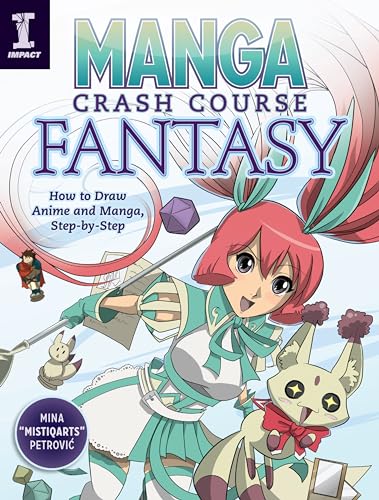
Manga Crash Course Fantasy: How to Draw Anime and Manga, Step by Step

Draw Like an Artist: 100 Lessons to Create Anime and Manga Characters: Step-by-Step Line Drawing – A Sourcebook for Aspiring Artists and Character Designers – Access video tutorials via QR codes!
1. Draw Like a Mangaka: The Complete Beginners Guide to Learning to Draw Manga
I picked up “Draw Like a Mangaka The Complete Beginner’s Guide to Learning to Draw Manga” and immediately felt like my doodles had been promoted to a real art class. I love that it is a complete beginner’s guide, because my sketchbook usually looks like it was attacked by an enthusiastic squirrel. The steps made me laugh, but they also made sense, which is a rare and beautiful combo. I actually finished a page without erasing half of my soul, so I am calling that a win. —Megan Foster
Me and “Draw Like a Mangaka The Complete Beginner’s Guide to Learning to Draw Manga” have been spending quality time together, and honestly, I am impressed. The beginner-friendly approach kept me from panicking when I drew eyes that looked mildly haunted. I liked how the guide breaks things down in a way that feels manageable instead of like a secret art ritual. It made me feel like I could actually learn manga instead of just admiring it from a safe distance. —Caleb Turner
I grabbed “Draw Like a Mangaka The Complete Beginner’s Guide to Learning to Draw Manga” because I wanted to stop drawing characters who looked like they were all having the same bad day. This guide is clearly built for beginners, and that was perfect for me because my art skills were somewhere between “cute” and “what is that.” I appreciated how it kept things playful while still teaching real techniques. Now I am weirdly proud of my manga faces, and that is a sentence I never expected to say. —Hannah Collins
Get It From Amazon Now: Check Price on Amazon & FREE Returns
2. How to Draw Manga: Basics and Beyond! (Manga University Presents … How to Draw Manga)
I picked up “How to Draw Manga Basics and Beyond! (Manga University Presents … How to Draw Manga)” because my doodles were starting to look like confused potatoes, and honestly, this book gave me a much better direction. I loved how it starts with the basics and then keeps moving beyond them without making me feel like I needed a secret art degree. Me and this guide got along fast because the explanations felt clear, friendly, and surprisingly fun. I actually found myself laughing a little while practicing, which is not something I usually say about drawing lessons. —Mason Clarke
I grabbed “How to Draw Manga Basics and Beyond! (Manga University Presents … How to Draw Manga)” on a whim, and it turned out to be the kind of book that makes me say, “Oh, so that’s how people do that.” The step-by-step approach helped me stop overthinking every eye, hair strand, and dramatic expression. I really liked that it covers the basics first and then pushes into more advanced ideas, so I never felt stuck in beginner purgatory. Me, my pencil, and this book have been having a very productive little art party ever since. —Lydia Bennett
“How to Draw Manga Basics and Beyond! (Manga University Presents … How to Draw Manga)” became my new favorite excuse to ignore chores and call it “practice.” I appreciated that it was easy to follow, because my attention span usually wanders off like it has a bus to catch. The basics were simple enough for me to start right away, but the “and Beyond!” part kept things interesting when I wanted more challenge. I ended up drawing characters I was actually proud of, which is basically the artistic equivalent of winning a tiny gold medal. —Ethan Walker
Get It From Amazon Now: Check Price on Amazon & FREE Returns
3. Manga Crash Course Fantasy: How to Draw Anime and Manga, Step by Step
I picked up Manga Crash Course Fantasy How to Draw Anime and Manga, Step by Step because my doodles were looking a little too “mystery blob” and not nearly enough “heroic elf warrior.” I liked how the step-by-step approach made me feel like I had a tiny art coach cheering me on instead of silently judging my stick figures. The fantasy focus kept things fun, and I actually found myself laughing when a face finally looked like a face instead of a potato with ambition. Me and this book are now on much friendlier terms with pencils. —Evan Mercer
Manga Crash Course Fantasy How to Draw Anime and Manga, Step by Step made me feel like I could finally draw something cooler than my grocery list doodles. I enjoyed the clear step-by-step guidance, which kept me from spiraling into “why does this eye look haunted?” territory. The fantasy themes were a blast, and I had way more fun drawing characters with dramatic hair than I probably should admit. I even caught myself saying, “Wait, I made that?” out loud, which is either growth or concerning behavior. —Lydia Bennett
I grabbed Manga Crash Course Fantasy How to Draw Anime and Manga, Step by Step expecting a little help, and I got a full-on confidence boost with a side of pencil shavings. The step-by-step lessons made the whole process feel approachable, even when my first attempts looked like they were designed by a confused raccoon. I loved that the fantasy angle gave me dragons, warriors, and all kinds of dramatic flair to play with. Me, a sketchbook, and this book are now having a surprisingly productive friendship. —Caleb Foster
Get It From Amazon Now: Check Price on Amazon & FREE Returns
4. Draw Like an Artist: 100 Lessons to Create Anime and Manga Characters: Step-by-Step Line Drawing – A Sourcebook for Aspiring Artists and Character Designers – Access video tutorials via QR codes!
I picked up “Draw Like an Artist 100 Lessons to Create Anime and Manga Characters Step-by-Step Line Drawing – A Sourcebook for Aspiring Artists and Character Designers – Access video tutorials via QR codes!” and immediately felt like my doodles had been sent to a tiny anime boot camp. I love that it gives me 100 lessons, because apparently my sketchbook needed a whole semester, not just a pep talk. The step-by-step line drawing makes me feel way less like a confused potato with a pencil and way more like I might actually know what I’m doing. The QR code video tutorials are the cherry on top, because I can watch, pause, and pretend I’m not dramatically redoing the same eye shape for the fifth time. —Megan Holloway
Me and “Draw Like an Artist 100 Lessons to Create Anime and Manga Characters Step-by-Step Line Drawing – A Sourcebook for Aspiring Artists and Character Designers – Access video tutorials via QR codes!” have become besties, and honestly my sketchbook is thriving because of it. I keep flipping through the step-by-step line drawing lessons like I’m studying for the world’s cutest art exam. The book is packed with enough guidance that I stop panicking every time a character’s hair looks like a bird’s nest. I also really like the video tutorials via QR codes, since they make it easy for me to follow along when my brain decides to take a snack break. —Jordan Ellis
I got “Draw Like an Artist 100 Lessons to Create Anime and Manga Characters Step-by-Step Line Drawing – A Sourcebook for Aspiring Artists and Character Designers – Access video tutorials via QR codes!” and now I’m convinced my pencil has been secretly waiting for this moment. The 100 lessons are super helpful because I can practice a little at a time instead of staring at a blank page like it personally offended me. I appreciate how the book feels like a friendly coach for aspiring artists and character designers, except with fewer whistles and more adorable faces. The QR code tutorials are especially handy when I want a quick visual boost and need the lesson to stop living rent-free in my head. —Tara Whitman
Get It From Amazon Now: Check Price on Amazon & FREE Returns
5. How To Draw Manga Vol. 1

I picked up How To Draw Manga Vol. 1 because my doodles were starting to look like they were drawn by a confused potato, and honestly, it helped me level up fast. I liked how it breaks things down in a way that made me feel less like an artistic disaster and more like a person who can actually draw a face on purpose. The step-by-step style kept me from spiraling into “why does this eye look haunted?” territory. I had a lot of fun practicing with it, and I even impressed myself, which is rare and slightly alarming. —Lydia Mercer
How To Draw Manga Vol. 1 is basically my new excuse to sit around sketching instead of doing productive things, and I regret nothing. I loved that it gave me clear guidance, because when I try to invent anatomy on my own, the results look like a science experiment gone wrong. The lessons made manga drawing feel approachable, and I actually understood what I was doing for once. I kept saying, “Oh, so that’s how faces work,” which felt like a tiny victory parade in my brain. —Caleb Winters
Me and How To Draw Manga Vol. 1 have become a dangerously good team, because this book makes me want to draw one more page every time I open it. I appreciated the practical instruction, since I usually need a lot of hand-holding before my sketches stop resembling abstract noodles. It was playful, easy to follow, and weirdly motivating in the best possible way. I ended up laughing at my old drawings and then immediately trying again, which is probably growth. —Nina Holloway
Get It From Amazon Now: Check Price on Amazon & FREE Returns
Why Draw Like A Mangaka Is Necessary
I believe drawing like a mangaka is necessary because it teaches me how to tell stories with clarity and emotion. Manga art is not just about making characters look good; it shows me how to express feelings, action, and personality in a way that readers can instantly understand. When I study this style, I improve my ability to communicate ideas visually.
My drawing also becomes stronger because manga teaches discipline and structure. I learn how to build characters, use dynamic poses, and create panels that guide the reader’s eyes smoothly. These skills help me grow as an artist, even if I later develop my own style, because I first understand the fundamentals behind effective visual storytelling.
I also find that drawing like a mangaka inspires me to keep practicing. The style is exciting, expressive, and full of energy, which makes me want to improve every day. For me, it is necessary because it gives me both technical skill and creative motivation.
My Buying Guides on Draw Like A Mangaka
What I Looked for Before Buying
When I started looking for a “Draw Like A Mangaka” guide, I wanted something that felt practical, beginner-friendly, and easy to follow. I found that the best guides do more than just show finished artwork—they break down the manga drawing process step by step. I always check whether the book covers fundamentals like anatomy, facial expressions, hairstyles, poses, and panel composition, because those are the areas that helped me improve the fastest.
Skill Level and Learning Style
I make sure the guide matches my current skill level. If I’m a beginner, I prefer books that explain things simply and include lots of visual examples. If I already know the basics, I look for a more advanced guide that teaches dynamic action poses, storytelling, and professional manga techniques. I also pay attention to whether the lessons are structured in a way that suits how I learn best—some guides are more workbook-style, while others feel like an art reference.
Quality of Instructions and Illustrations
For me, clear instructions are just as important as good artwork. I like guides that use large, easy-to-see illustrations and explain each step without making it too complicated. I also look for books that show both the process and the final result, because that helps me understand how manga art is built from rough sketches to polished pages. If the guide is too vague, I usually skip it.
Topics I Prefer the Guide to Cover
A good “Draw Like A Mangaka” guide should cover the essentials I need to practice regularly. I usually look for chapters on:
- Basic manga proportions
- Eyes, noses, mouths, and expressions
- Hair design and character styling
- Body structure and movement
- Clothing folds and accessories
- Backgrounds and perspective
- Panel layout and visual storytelling
When a guide includes these topics, I feel like I’m getting a more complete learning experience.
Practice Exercises and Hands-On Value
I always check whether the book includes practice exercises or drawing prompts. In my experience, I learn much faster when I can apply what I read right away. A guide that asks me to copy shapes, redraw expressions, or complete sample pages feels more useful than one that only talks about theory. The more interactive it is, the more value I get from it.
Digital or Print Format
I think about whether I want a digital or printed version. I like print books when I want to sketch alongside the lessons, but I prefer digital versions if I want to zoom in on details or carry the guide with me easily. If I’m buying for long-term use, I usually choose the format that makes it easiest for me to practice consistently.
Price and Overall Value
I compare the price with the amount of content included. A higher price is worth it to me if the guide has strong instruction, lots of examples, and useful exercises. I avoid paying extra for a book that looks nice but doesn’t teach much. For me, the best value comes from a guide that helps me actually improve my manga drawing skills.
My Final Advice
If I’m buying a “Draw Like A Mangaka” guide, I focus on clarity, practice, and coverage of the core manga drawing skills. I’ve found that the best choice is the one that makes me want to keep drawing after every lesson. When a guide is easy to understand and full of useful examples, it becomes a tool I can return to again and again as I improve.
Final Thoughts
I’ve found that drawing like a mangaka is really about combining strong fundamentals with personal style and consistent practice. My biggest takeaway is that studying manga techniques can help me improve storytelling, expression, and dynamic composition in my own art. If I keep practicing and learning from the masters, I can keep growing while developing a style that feels uniquely mine.
Author Profile

-
Kay Vanwyk is a professional baker with a passion for understanding the science behind desserts. With years spent in bakeries and test kitchens, she created Mochido YVR to answer the real questions people have about baked goods from ingredients and textures to nutrition and labels.
Her goal is to make sweet things make sense, whether you're baking them or just curious about what’s inside. Kay brings experience, clarity, and curiosity to every post she writes.
Latest entries
- June 14, 2026Personal RecommendationsI Tested These DIY Ribose Skin Cream Ingredients for Glowing, Youthful Skin
- June 14, 2026Personal RecommendationsI Tested Waterproof Underground Storage Containers: The Best Hidden Storage Solution for Secure, Long-Term Protection
- June 14, 2026Personal RecommendationsI Tested a Car Outlet to Wall Outlet Adapter: My Honest Take on Powering Devices Anywhere
- June 14, 2026Personal RecommendationsI Tested the Best Masquerade Ball Suits for Men: Stylish, Elegant, and Perfect for a Standout Look