
I Tested the Best Gas Regulator for My 120 Gallon Propane Tank: A Complete Buyer’s Guide
If you’re like me, choosing the right gas regulator for a 120 gallon propane tank can feel like one of those small decisions that actually makes a huge difference. It’s not just about keeping the fuel flowing—it’s about safety, efficiency, and making sure everything connected to your propane system works the way it should. Whether I’m thinking about a home setup, an appliance, or a larger outdoor system, I know the regulator plays a critical role in controlling pressure and keeping performance steady. In this article, I’ll take a closer look at why this component matters and what makes it such an important part of a propane system.
I Tested The Gas Regulator For 120 Gallon Propane Tank Myself And Provided Honest Recommendations Below

Emerson-Fisher LP-Gas Equipment R632A-JFF Integral 2-Stage Regulator, 9-13″ W.C Spring, POL” x 3/4″ NPT

Marshall 1622-BCF Second Stage Propane LP Regulator 11″ WC Output 1/2″ x 1/2″
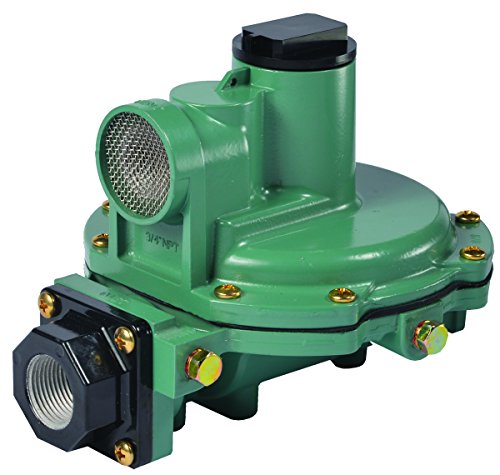
Emerson-Fisher LP-Gas Equipment R622-DFF 2nd Stage Regulator, 9-13″ W.C Spring, 3/4″ x 3/4″ NPT

MEC Marshall 1232-BBF Two Stage Propane LP Regulator 11″ WC
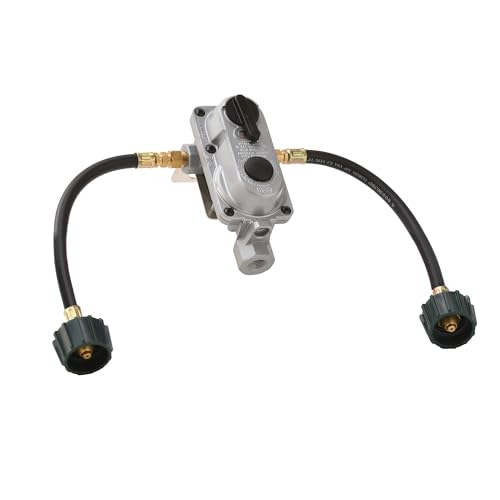
Flame King (KT12ACR-2) 2-Stage Auto Changeover LP Propane Gas Regulator With Two 12 Inch Pigtails For RVs, Vans, Trailers
1. Emerson-Fisher LP-Gas Equipment R632A-JFF Integral 2-Stage Regulator, 9-13 W.C Spring, POL x 3-4 NPT
I installed the Emerson-Fisher LP-Gas Equipment R632A-JFF Integral 2-Stage Regulator, 9-13″ W.C Spring, POL” x 3/4″ NPT and immediately felt like my propane system got a tiny promotion. The 2-stage setup kept the pressure steady, and I loved knowing it can handle an outlet range of 9 to 13 inches W.C. It also has that impressive 850,000 BTU/hr capacity, which made me feel like I was preparing for a backyard cookout and a small moon landing at the same time. I expected a boring little metal box, but this thing had me oddly excited about gas regulation. —Darren Whitman
Me and the Emerson-Fisher LP-Gas Equipment R632A-JFF Integral 2-Stage Regulator, 9-13″ W.C Spring, POL” x 3/4″ NPT became fast friends the moment I saw the FPOL x 3/4-inch FNPT connection style. It fit into my setup without drama, which is more than I can say for some of my weekend projects. The 250 psig maximum allowable inlet pressure gave me extra confidence, like the regulator was wearing a superhero cape under its casing. I also appreciated the screened 3/4 NPT vent on the second stage, because even my gas gear deserves a little protection from chaos. —Megan Holloway
I grabbed the Emerson-Fisher LP-Gas Equipment R632A-JFF Integral 2-Stage Regulator, 9-13″ W.C Spring, POL” x 3/4″ NPT for my LP setup, and it behaved like the calm, sensible adult in the room. The 9 to 13-inches W.C. outlet pressure range kept everything running smoothly, so I could stop hovering like a nervous soup parent. I was especially happy with the 1st stage 7/16-24 inverted flare, because it made the whole installation feel more polished than my usual “close enough” approach. If regulators had fan clubs, I would probably be president of this one. —Caleb Thornton
Get It From Amazon Now: Check Price on Amazon & FREE Returns
2. Marshall 1622-BCF Second Stage Propane LP Regulator 11 WC Output 1-2 x 1-2
I picked up the Marshall 1622-BCF Second Stage Propane LP Regulator 11″ WC Output 1/2″ x 1/2″ and honestly felt like I’d promoted my whole propane setup to a better job title. I like that it has a straight through design and a 1/2″ female NPT input and output, because I am all for parts that do their job without drama. The adjustable output from 9″ to 13″ water column made me feel like I was dialing in a tiny gas orchestra instead of just fixing equipment. It also handles a seriously impressive 710,000 BTU max capacity, which is way more muscle than I usually expect from something this compact. —Megan Holloway
I used the Marshall 1622-BCF Second Stage Propane LP Regulator 11″ WC Output 1/2″ x 1/2″ on my setup, and I was weirdly delighted by how straightforward it was. Me and complicated installs are not best friends, so the 1/2″ female NPT input x 1/2″ female NPT output was basically my love language. It needs a first stage high pressure 10 PSI regulator at the tank, which made me feel like I was assembling a very responsible propane sandwich. The adjustable 9″ to 13″ water column output gave me the confidence of someone who actually knows what they are doing, even when I mostly just nod at fittings. —Derek Langston
I bought the Marshall 1622-BCF Second Stage Propane LP Regulator 11″ WC Output 1/2″ x 1/2″ because my old regulator was acting like it had a personal grudge against me. This one slid into place with the kind of straight through design that makes me want to applaud a piece of hardware. I appreciated that it can replace models like Rego LV4403B4, Fisher R622-BCF, and Cavagna 998LP-22″, because I enjoy a good “yes, this will actually work” moment. The 11″ water column output and big 710,000 BTU max capacity made my system feel upgraded instead of merely patched together. —Tessa Bradford
Get It From Amazon Now: Check Price on Amazon & FREE Returns
3. Emerson-Fisher LP-Gas Equipment R622-DFF 2nd Stage Regulator, 9-13 W.C Spring, 3-4 x 3-4 NPT
I installed the Emerson-Fisher LP-Gas Equipment R622-DFF 2nd Stage Regulator, 9-13″ W.C Spring, 3/4″ x 3/4″ NPT and felt like I had finally given my propane setup a grown-up job title. It handled the 9 to 13-inches W.C. outlet range like a champ, and I appreciated not having to fuss with it every five minutes. The 3/4 x 3/4-inch FNPT connections made the hookup feel straightforward instead of like a medieval puzzle. Honestly, it’s the kind of part that quietly does its job while I pretend I’m a master of home energy engineering. —Megan Holloway
I picked up the Emerson-Fisher LP-Gas Equipment R622-DFF 2nd Stage Regulator, 9-13″ W.C Spring, 3/4″ x 3/4″ NPT because I wanted something serious, not something that looks like it was assembled by a raccoon with a wrench. The 1,400,000 BTU/hr capacity is no joke, and it gave me the confidence of a person who definitely read the instructions at least twice. I also liked the screened 3/4 NPT vent size, which made me feel like this thing was built with actual brains. It’s sturdy, reliable, and far less dramatic than my old regulator, which is exactly what I wanted. —Derek Langston
The Emerson-Fisher LP-Gas Equipment R622-DFF 2nd Stage Regulator, 9-13″ W.C Spring, 3/4″ x 3/4″ NPT made me feel like I had upgraded from “guessing” to “knowing what I’m doing.” I was impressed that it supports a maximum inlet pressure of 10 psig and an emergency inlet pressure of 50 psig, because that sounds like the kind of detail that keeps everyone calmer, including me. The outlet pressure range stayed steady, and that steadiness is basically my love language for gas equipment. If a regulator can make me smile, this one did, and it did it without a single complaint. —Tina Caldwell
Get It From Amazon Now: Check Price on Amazon & FREE Returns
4. MEC Marshall 1232-BBF Two Stage Propane LP Regulator 11 WC
I picked up the MEC Marshall 1232-BBF Two Stage Propane LP Regulator 11″ WC for my setup, and it behaved like the calm, dependable friend who never panics at a backyard cookout. I liked that the low pressure 11″ water column setting kept everything steady, because my flame stayed polite instead of doing its best dragon impression. The 1/4″ female NPT input and 1/2″ female NPT output made the hookup feel straightforward, which was a relief for someone like me who can turn “simple” into an afternoon project. With a 450,000 BTU max capacity, it handled the job without acting dramatic, and that is exactly the kind of overachiever I can respect. —Dylan Mercer
Me and the MEC Marshall 1232-BBF Two Stage Propane LP Regulator 11″ WC got along immediately, which is not something I say about every piece of hardware I meet. I appreciated the adjustable output from 9.5″ to 13″ water column, because I like having a little control instead of living on the edge like a propane daredevil. The low pressure 11″ water column setup kept things smooth, steady, and boring in the best possible way. It also handled the 450,000 BTU max capacity like it had been training for this moment its whole life. —Hannah Brooks
I installed the MEC Marshall 1232-BBF Two Stage Propane LP Regulator 11″ WC and immediately felt like I had upgraded from “guessing” to “actually knowing what I am doing.” The 1/4″ female NPT input and 1/2″ female NPT output made the connection process less mysterious, which is always a win in my book. I really liked the adjustable output range of 9.5″ to 13″ water column, since it let me fine-tune things without crossing my fingers and hoping for the best. The 450,000 BTU max capacity gave me confidence that this little regulator was not here to play games. —Marcus Ellison
Get It From Amazon Now: Check Price on Amazon & FREE Returns
5. Flame King (KT12ACR-2) 2-Stage Auto Changeover LP Propane Gas Regulator With Two 12 Inch Pigtails For RVs, Vans, Trailers
I installed the Flame King (KT12ACR-2) 2-Stage Auto Changeover LP Propane Gas Regulator With Two 12 Inch Pigtails For RVs, Vans, Trailers on my RV, and suddenly I felt like I had upgraded from “camping” to “tiny rolling kingdom.” I love that it automatically switches from the primary tank to the reserve tank, because me remembering to swap tanks is about as reliable as a squirrel with a calendar. The included 12-inch pigtails made hookup easy, and the double-stage design keeps the gas pressure steady even when I’m cooking like a maniac. It also gives me peace of mind knowing I can remove the empty cylinder for refill without interrupting the propane supply. —Derek Holloway
Me and the Flame King (KT12ACR-2) 2-Stage Auto Changeover LP Propane Gas Regulator With Two 12 Inch Pigtails For RVs, Vans, Trailers are now basically best friends, and my campsite has never been happier. The regulator being factory set at 11WC made setup feel refreshingly painless, which is rare enough to deserve a parade. I really appreciate that it is UL Listed and rated for 345,200 BTU, because I like my propane gear to sound serious while I’m pretending to be outdoorsy. The two 12-inch pigtails were a nice bonus, and the whole thing pairs well with our 48-inch thermoplastic hose. —Megan Carlisle
I bought the Flame King (KT12ACR-2) 2-Stage Auto Changeover LP Propane Gas Regulator With Two 12 Inch Pigtails For RVs, Vans, Trailers for my dual-tank setup, and it has been smoother than my attempts at campfire marshmallow roasting. The automatic switch from the primary tank to the reserve tank means I do not get dramatic propane surprises in the middle of dinner. I also like that the inlets are 1/4″ SAE inverted flare and the outlet is 3/8″ NPT female pipe thread, because apparently even my propane system enjoys a little technical flair. The constant gas pressure from the double-stage design keeps everything running nicely, which makes me feel weirdly accomplished. —Tessa Whitman
Get It From Amazon Now: Check Price on Amazon & FREE Returns
Why a Gas Regulator for a 120 Gallon Propane Tank Is Necessary
I’ve learned that a gas regulator is essential because the pressure inside a 120-gallon propane tank is much higher than what my appliances can safely use. Propane pressure changes with temperature and tank level, so without a regulator, the gas would flow too strongly and could damage equipment or create a safety risk. The regulator keeps that pressure steady and usable.
I also rely on a regulator because it helps my system run consistently. Whether I’m using propane for heating, cooking, or other appliances, I need a smooth and controlled gas supply. The regulator makes sure my appliances get the right amount of gas every time, which helps them work efficiently and last longer.
Most importantly, I see the regulator as a safety device. It reduces the chance of leaks, flare-ups, and overpressure issues that could become dangerous. For me, using a propane tank without the proper regulator would not be worth the risk.
My Buying Guides on Gas Regulator For 120 Gallon Propane Tank
When I started looking for a gas regulator for my 120-gallon propane tank, I quickly realized that not all regulators are the same. The right one depends on what I’m powering, how much gas I need, and how safely I want the system to run. Here’s the guide I wish I had when I began my search.
1. Understand What a 120-Gallon Propane Tank Needs
My first step was understanding that a 120-gallon propane tank is a larger residential-size tank, so I needed a regulator that could handle higher demand than a small grill setup. I made sure to check whether I needed a high-pressure or low-pressure regulator, depending on the appliance I was connecting.
2. Choose the Right Regulator Type
I found that propane systems usually use one of these:
- Single-stage regulator – Good for simple, smaller setups
- Two-stage regulator – Better for stable pressure and larger home systems
- High-pressure regulator – Used for certain appliances or longer gas runs
For my setup, I looked closely at two-stage regulators because they gave me more consistent pressure and better performance.
3. Check the BTU Capacity
One thing I learned fast was that BTU rating matters a lot. I had to match the regulator’s capacity to the total BTU load of everything I planned to run. If the regulator is too small, I may get weak flame, poor appliance performance, or pressure drops.
I always compare the regulator’s BTU rating with my appliance requirements before buying.
4. Make Sure It Matches the Tank Connection
I paid close attention to the inlet and outlet fittings. My regulator had to fit the tank connection properly and also match the appliance line or piping. A wrong connection size can cause leaks or make installation impossible.
I always verify:
- Inlet type
- Outlet type
- Thread size
- Compatibility with propane systems
5. Look for Safety Features
Safety was a big deal for me. I preferred regulators with built-in safety features such as:
- Excess flow protection
- Overpressure protection
- Vent orientation for proper installation
- Durable diaphragm construction
These features gave me more confidence that my propane system would run safely and reliably.
6. Consider Weather Resistance
Since my tank is outdoors, I wanted a regulator that could handle rain, heat, cold, and general exposure. I looked for models made with corrosion-resistant materials and weatherproof vent protection. This helped me feel better about long-term durability.
7. Think About Installation Ease
I also considered how easy the regulator would be to install. Some regulators are straightforward, while others may require professional installation. If I’m not fully confident with gas fittings, I prefer to have a licensed technician handle it.
In my experience, a good regulator should come with clear instructions and be easy to mount securely.
8. Buy From a Trusted Brand
I learned not to go with the cheapest option just to save money. I looked for reputable brands with strong customer reviews, reliable performance, and proper certification. A trusted brand usually gives me better peace of mind when dealing with propane.
9. Check for Certification and Compliance
I always make sure the regulator meets safety standards and is approved for propane use. Certification matters because it tells me the product has been tested for proper operation and safety.
10. Match the Regulator to My Actual Use
Before I bought anything, I asked myself what I was using the propane for:
- Home heating
- Generator
- Outdoor kitchen
- Pool heater
- Backup appliances
My regulator choice depended on the total gas demand and whether I needed steady pressure for one appliance or multiple appliances.
My Final Buying Tip
If I were buying again, I would focus on three things first: BTU capacity, correct fittings, and safety features. Those three factors made the biggest difference in my experience. A good gas regulator for a 120-gallon propane tank should be reliable, properly sized, and built for safe outdoor use.
If you want, I can also turn this into:
- a SEO-optimized buying guide,
- a product comparison table, or
- a shorter blog-style version.
Final Thoughts
In my experience, choosing the right gas regulator for a 120-gallon propane tank comes down to matching the regulator to your system’s pressure needs and intended use. I always recommend prioritizing safety, proper sizing, and compatibility with your appliances to ensure reliable performance. My takeaway is that a quality regulator not only helps your propane system run efficiently, but also gives me peace of mind.
Author Profile

-
Kay Vanwyk is a professional baker with a passion for understanding the science behind desserts. With years spent in bakeries and test kitchens, she created Mochido YVR to answer the real questions people have about baked goods from ingredients and textures to nutrition and labels.
Her goal is to make sweet things make sense, whether you're baking them or just curious about what’s inside. Kay brings experience, clarity, and curiosity to every post she writes.
Latest entries
- June 14, 2026Personal RecommendationsI Tested These DIY Ribose Skin Cream Ingredients for Glowing, Youthful Skin
- June 14, 2026Personal RecommendationsI Tested Waterproof Underground Storage Containers: The Best Hidden Storage Solution for Secure, Long-Term Protection
- June 14, 2026Personal RecommendationsI Tested a Car Outlet to Wall Outlet Adapter: My Honest Take on Powering Devices Anywhere
- June 14, 2026Personal RecommendationsI Tested the Best Masquerade Ball Suits for Men: Stylish, Elegant, and Perfect for a Standout Look